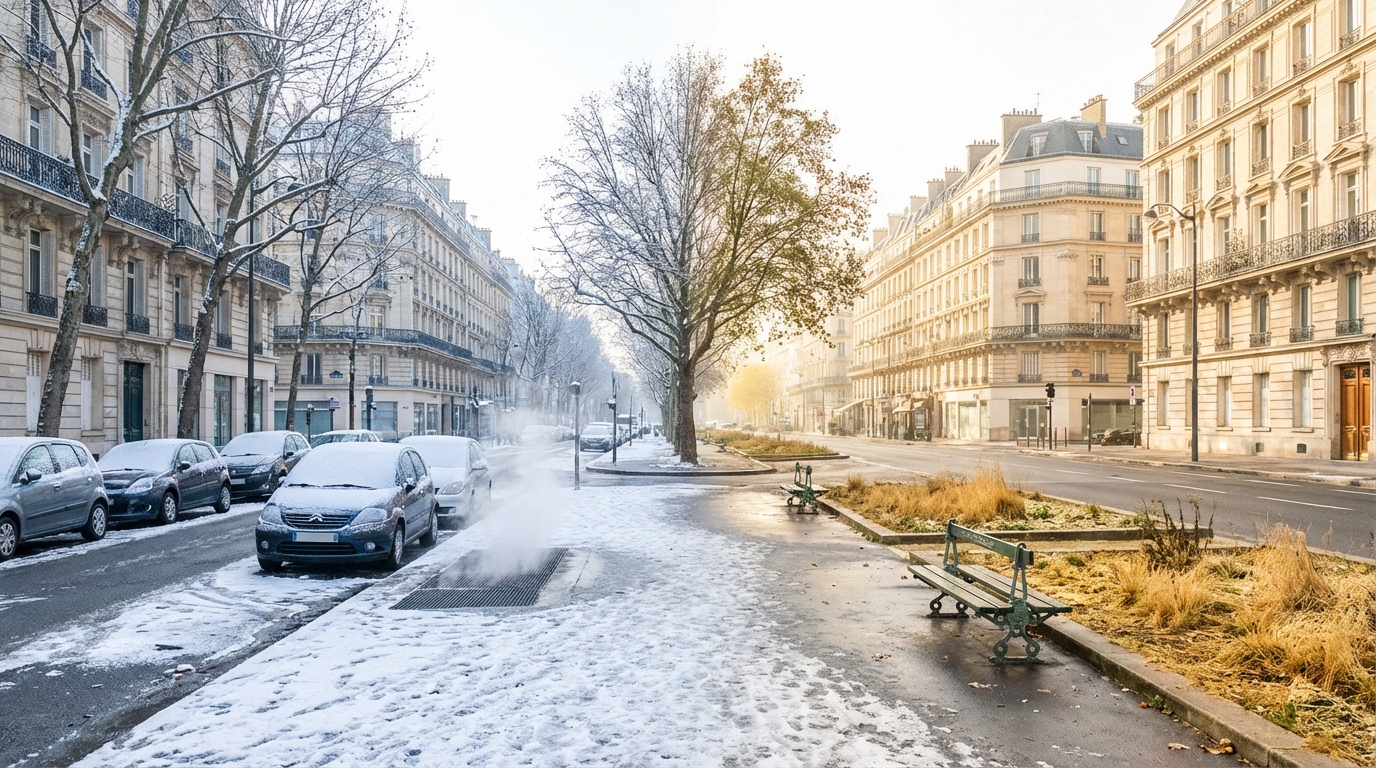
Météo Paris 2026: Decoding the Forecast for France vs. West Paris, US
Planning a trip to Paris, France, in 2026, or perhaps to one of the towns named "Paris" in the United States? Understanding the searching-for-paris-2026-weather-whats-available-now.html">météo Paris 2026 is crucial for travel preparations, whether you're envisioning romantic strolls along the Seine or bracing for a Midwestern winter. While pinpointing precise daily weather more than a year in advance remains beyond current meteorological capabilities, we can provide valuable insights into what to expect based on historical patterns, climatic considerations, and the unique challenges of long-range forecasting. This article delves into the probable weather for the iconic French capital and offers a comparative glance at what early 2026 might hold for its American namesakes, highlighting the vast climatic differences.
The Elusive Météo Paris 2026: A Look at February and April
When searching for "météo Paris 2026," particularly for specific months like February or April, direct, detailed forecasts are often unavailable or subject to frequent revisions. This isn't due to a lack of data, but rather the inherent limitations of atmospheric science. Accurate day-to-day predictions typically extend only 7-10 days into the future, with seasonal outlooks offering broader trends rather than specifics.
Typical February Weather in Paris, France
February in Paris, France, is firmly in the grip of winter, though it's often milder than many expect, especially when compared to continental European or North American winters. Travelers searching for Paris weather 2026: February & April forecast challenges should prepare for:
- Temperatures: Average daily temperatures usually hover between 3°C and 8°C (37°F - 46°F). Freezing temperatures are common overnight, and while snow isn't frequent, occasional light dustings or sleet can occur.
- Precipitation: February is generally a damp month, with frequent drizzles or light rain. Days are often overcast, contributing to the city's melancholic charm.
- Daylight Hours: Days are short but gradually lengthening, offering around 9-10 hours of daylight by the end of the month.
- Wind: Moderate winds can make the air feel colder, especially on exposed bridges or along the Seine.
Traveler's Tip for February 2026: Pack warm layers, a waterproof coat, sturdy, comfortable shoes, and an umbrella. Embrace the cozy café culture and indoor attractions like museums and galleries, which are less crowded than during peak season.
Anticipating April Weather in Paris, France
April in Paris signals the arrival of spring, a much-anticipated period of blossoming beauty and gradually warming temperatures. While detailed "météo Paris 2026" for April remains speculative, historical data paints a promising picture:
- Temperatures: Averages range from 7°C to 15°C (45°F - 59°F), with significant variability. Early April can still feel quite cool, while late April might offer truly mild, pleasant days.
- Precipitation: April is known for its "April showers," meaning occasional rain is very likely. However, these are often brief and followed by sunshine.
- Daylight Hours: Days become noticeably longer, providing ample light for sightseeing and outdoor activities, with around 13-14 hours of daylight.
- Wind: Generally lighter and more pleasant than in winter.
Traveler's Tip for April 2026: Layering is key! Bring lighter jackets, sweaters, and a reliable umbrella. This is an ideal time for enjoying parks, outdoor cafés, and the city's vibrant street life as it awakens.
West Paris, US: A Climatic Contrast for Early 2026
The concept of "West Paris, United States" immediately introduces a significant variable: which West Paris? Unlike the singular Paris, France, several towns and localities across the US bear the name "Paris" (e.g., Paris, Texas; Paris, Maine; Paris, Kentucky; Paris, Missouri). Each of these locations falls within a distinctly different climate zone, making a blanket forecast for "West Paris, US" impossible without specifying the exact geographic coordinates. The reference context itself highlights "Historical Weather: West Paris, United States (January 2026)" without providing specifics, underscoring this diversity.
General Climatic Differences: Paris, France vs. US Parises
The primary difference lies in their geographical context:
- Paris, France: Benefits from a temperate oceanic climate (Cfb in the Köppen classification), influenced by the North Atlantic Current. This typically results in relatively mild winters, without extreme cold, and moderate summers.
- US Parises:
- Northern US Parises (e.g., Maine, Michigan): Would experience significantly colder, snowier winters in January and February compared to Paris, France. Sub-zero Celsius temperatures are common, and heavy snowfall is expected.
- Mid-Southern US Parises (e.g., Texas, Missouri, Kentucky): Would generally have colder winters than Paris, France, though perhaps less extreme than northern US counterparts. January and February can bring freezing rain, sleet, and occasional snow, alongside periods of milder, but still chilly, weather.
- Western US Parises (if they exist in a truly "western" climate): Could be highly variable, depending on elevation and proximity to coastlines or deserts. A hypothetical Paris in, say, California, would have a much milder, perhaps rainy winter, completely different from one in the Rocky Mountains.
What to Expect for a Hypothetical "West Paris, US" in January 2026
Given the general reference to "Historical Weather: West Paris, United States (January 2026)," and without a specific location, we can only speak in general terms. January across much of the northern and central United States is typically the coldest month of the year.
- Temperatures: Expect average daily temperatures well below freezing in northern states (e.g., -10°C to 0°C or 14°F to 32°F), and chilly to cold temperatures in mid-southern states (e.g., -5°C to 5°C or 23°F to 41°F).
- Precipitation: Snowfall is a significant feature in many US regions during January. Blizzards or heavy snow events are possible in northern and mountainous areas, while ice storms can be a concern further south.
- Daylight Hours: Shortest daylight hours of the year, similar to or slightly shorter than Paris, France, depending on latitude.
- Wind Chill: Wind can be a major factor, making already cold temperatures feel even more severe, particularly in open, flat areas.
Traveler's Tip for "West Paris, US" in January 2026: If your destination is one of the US Parises in winter, prepare for *real* winter conditions. Think heavy parkas, thermal layers, waterproof boots, hats, gloves, and scarves. Be ready for potential travel disruptions due to snow or ice.
Navigating Météo Paris 2026: Practical Advice and Planning Ahead
While precise météo Paris 2026 forecasts remain a challenge, especially for specific dates, smart planning can mitigate uncertainties. Here's how to prepare:
- Consult Historical Averages: For long-range planning, historical average temperatures and precipitation provide the best guide. Websites like AccuWeather, Weather.com, and national meteorological services offer robust historical data.
- Understand Climate vs. Weather: Climate is what you expect (e.g., "Paris winters are generally mild"), while weather is what you get (e.g., "It's snowing heavily in Paris today!"). Plan for the climate, but be ready for variations in weather.
- Stay Flexible: If your trip allows for flexibility, monitor long-range seasonal forecasts closer to your travel date (e.g., 3-6 months out). These can give an indication of whether a winter might be milder or harsher than average, or a spring wetter or drier.
- Pack Smart: Layering is always recommended for travel, particularly during transitional seasons like early spring (April) in Paris. For winter (February) in Paris or January in a US Paris, heavy winter gear is essential.
- Consider Event-Driven Travel: If you're traveling for a specific event in 2026, research its typical timing and any weather considerations. For example, some outdoor festivals might have contingency plans for rain.
Beyond the Forecast: Understanding Paris's Microclimates and Seasonal Shifts
Even within Paris, France, certain areas can experience slightly different weather patterns due to urban microclimates. Large parks like the Bois de Boulogne or Bois de Vincennes might feel colder and windier than the densely built-up city center. Similarly, areas along the Seine can be chillier due to the river's influence.
- Urban Heat Island Effect: Paris's dense urban environment can slightly elevate temperatures compared to surrounding rural areas, especially noticeable during colder months. This can mean a few degrees' difference, particularly overnight.
- Seasonal Transitions: February and April represent significant seasonal shifts. February is the tail end of winter, often characterized by grey skies and crisp air. April is spring's awakening, with rapidly changing conditions – sunshine and showers can alternate throughout the day.
Understanding these nuances helps in planning daily activities and choosing appropriate attire, ensuring your experience of the météo Paris 2026 is as comfortable and enjoyable as possible.
Conclusion
While a precise "météo Paris 2026" for specific dates in February or April remains an aspiration rather than a current reality, travelers can confidently prepare by relying on historical climate data and general seasonal expectations. Paris, France, in early 2026 is likely to offer its characteristic mild winter charm in February, transitioning into a vibrant, potentially showery spring in April. In stark contrast, any "West Paris, US" location would present a much more varied and often harsher winter climate in January, heavily dependent on its specific geography. By acknowledging the limitations of long-range forecasting, understanding regional climatic differences, and packing wisely, your 2026 journey to either Paris will be well-prepared, allowing you to focus on the experience rather than unexpected weather challenges. Always remember to check short-range forecasts closer to your departure for the most accurate, up-to-the-minute information.